

 English
 Français
 Deutsch
 Italiano
 Русский
 Español
 简体中文
简体中文 हिन्दी
 日本語
日本語
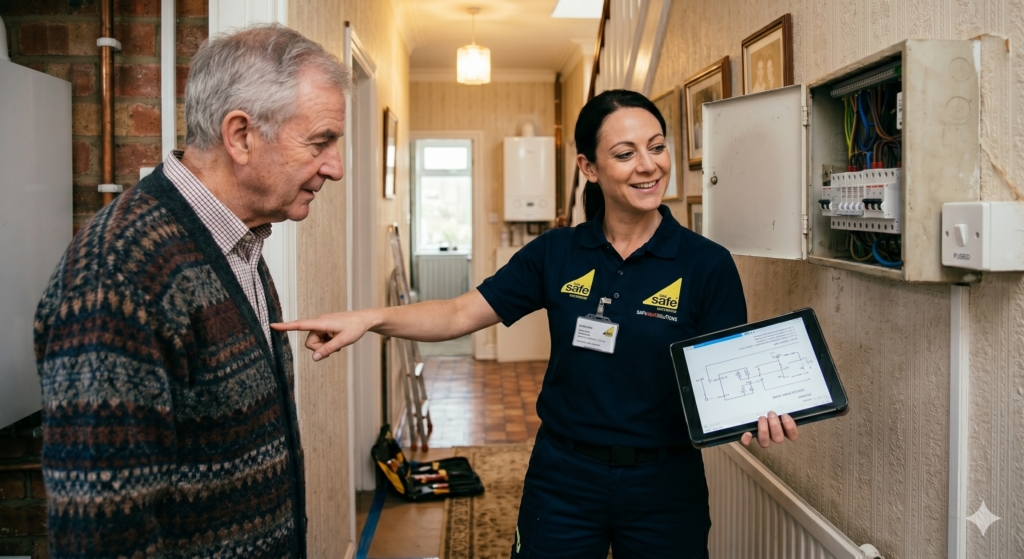
When you receive a quote for a full electrical upgrade, it is only natural for your first thought to be: is there any other way? A full rewire is a significant financial and emotional commitment. It involves lifting floors, chasing walls, and a fair amount of dust.
Because of the scale of the task, many homeowners find themselves searching for a “middle ground” or asking what is the alternative to rewiring a house? While safety is something you can never compromise on, there are a few nuances to explore before you commit to the big job.
Is rewiring a house necessary?
Before looking for a shortcut, you first need to establish: is rewiring a house necessary for your specific property? Not every old house is a ticking time bomb.
If your home was rewired in the last 20 to 25 years and uses modern PVC-coated cabling (usually grey or white), you might not need a full overhaul. In these cases, your system might just need a bit of a “refresh” rather than a total replacement. However, if your wiring is the old rubber-coated variety, or if you still have a fuse box with actual wire fuses rather than flick-switches, then a rewire isn’t just a suggestion, it is a safety priority to prevent electrical fires.
What is the alternative to rewiring a house?
If a professional inspection shows that your actual cabling is still in good condition, there is a common alternative to rewiring house projects: a consumer unit upgrade and remedial works.
Instead of pulling all the wires out of the walls, an electrician can install a modern consumer unit fitted with RCDs (Residual Current Devices). These are incredibly sensitive switches that trip the power in a fraction of a second if they detect a fault, significantly increasing the safety of an older system.
Alongside a new fuse box, your electrician might perform a “partial rewire.” This involves replacing the wiring in high-load areas like the kitchen or for an electric shower, while leaving the lower-drain lighting circuits as they are. This approach is much less disruptive and can be a savvy way to manage your budget if a full rewire isn’t strictly required for safety yet.
Does rewiring a house increase value?
One way to soften the blow of the cost is to look at the long-term benefit. So, does rewiring a house increase value? Absolutely.
While a new kitchen might be more “visible,” a certified, modern electrical system is a massive selling point. When a surveyor inspects a house for a potential buyer, the state of the electrics is one of the first things they check. If a house is found to have ancient wiring, the buyer will almost certainly use that as a leverage point to knock thousands of pounds off the asking price.
By investing in a rewire now, you are not just making your home safer; you are protecting its market value. A house with a valid Electrical Installation Condition Report (EICR) and a recent rewire is much easier to sell and can often command a higher price because the new owner knows they won’t have to deal with the “messy work” themselves.
The risks of rewiring a house yourself in the UK
In an age of online tutorials, it can be tempting to think about rewiring a house yourself to save on labour costs. However, this is one area of home improvement where “having a go” is genuinely dangerous and often illegal.
Under the Building Regulations in England and Wales (Part P), most electrical work in a home, especially a full rewire is “notifiable.” This means it must be reported to the local building control office. A professional electrician who is registered with a body like NICEIC or NAPIT can self-certify their work. If you do it yourself, you would have to pay for a building control officer to inspect your work, and if it doesn’t meet the strict BS 7671 standards, you will be forced to rip it all out and start again.
Beyond the legalities, electrical work is high-risk. A loose connection or a poorly earthed circuit can lead to shocks or fires. It is always better to save money elsewhere and leave the cables to the experts.
How to find the right pro through Rated People
Because the decision between a partial and a full rewire is so technical, you need an electrician who will give you an honest, balanced assessment. You don’t want someone who will push for a full rewire if a consumer unit upgrade would suffice, but you also don’t want someone who will “patch up” a dangerous system.
This is why using Rated People to find a local electrician is so valuable. You can browse through the profiles of experts in your area and read verified reviews from other homeowners who were in the exact same position as you. These reviews can give you a clear idea of whether an electrician is known for their honesty and their ability to explain the different options clearly. When you find someone who has a reputation for “fair pricing” and “great advice” on our platform, you can feel confident that they will help you find the most cost-effective way to keep your home safe. It turns a stressful technical dilemma into a guided conversation with a professional you can trust.
Making a savvy decision for your home
While we all wish there was a magic alternative to rewiring house projects that cost nothing and made no mess, the reality of home maintenance is about balance. By getting a professional safety check, you can determine if you can opt for a clever consumer unit upgrade or if it is time to invest in a full rewire for the sake of your home’s safety and future value.
With Rated People, you have the power to get it done. Find a trusted, local tradesperson today.
Read the full article here