

 English
 Français
 Deutsch
 Italiano
 Русский
 Español
 简体中文
简体中文 हिन्दी
 日本語
日本語
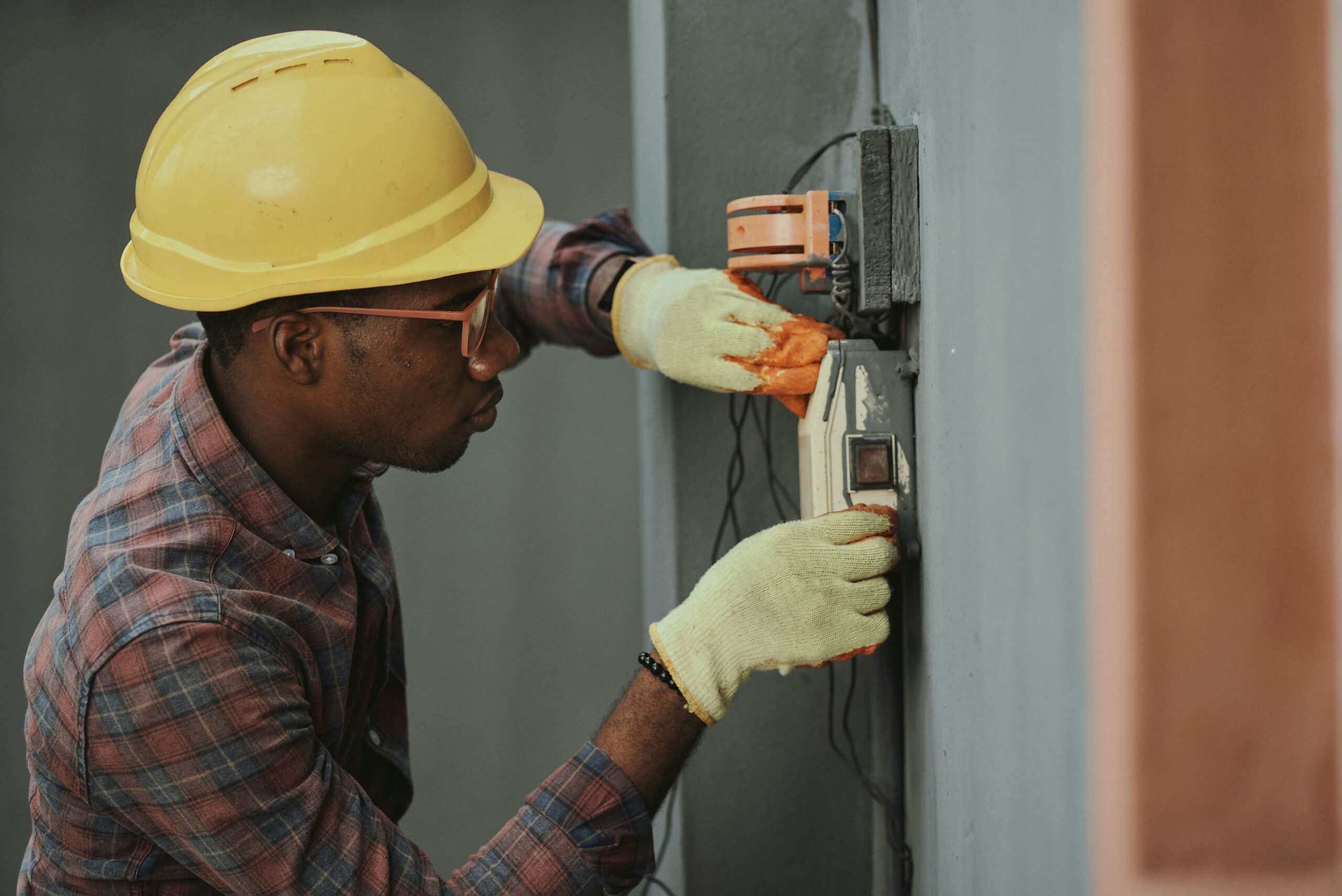
When we think about home renovations, we usually dream of new kitchens, plush carpets, or a fresh coat of paint. House rewiring is rarely at the top of the “exciting” list because, for the most part, the work is hidden behind your walls. However, your electrical system is the heartbeat of your home. If it is outdated, it is not just a matter of convenience; it is a major safety concern.
If you are living in an older property or planning a big renovation, understanding the average cost for rewiring a house is essential for your budget and your peace of mind. Here is everything you need to know about the process, the prices, and the signs that it is time to upgrade.
When does a house need rewiring?
Because wires are tucked away out of sight, it is easy to assume everything is fine until a socket starts sparking. But how often does a house need rewiring? Generally, an electrical system should be fully checked every 10 years for homeowners and every 5 years for landlords. A full house rewiring is typically needed every 25 to 30 years.
There are some clear “red flags” that suggest your home is overdue for an upgrade:
- A fuse box with a wooden back or cast-iron switches.
- Fabric-coated or lead-sheathed cables (modern ones are usually grey or white PVC).
- Round pin sockets or sockets mounted in the skirting boards.
- Frequent blown fuses or flickering lights.
- Green residue (often called “green goo”) on the wiring or inside sockets.
If you notice any of these, you should search for a house rewire near me immediately to get a professional safety assessment.
How much does house rewiring cost?
The total cost of rewiring a house UK wide varies depending on the size of the property, where you live, and whether the house is empty or occupied. On average, you should expect to pay between £3,000 and £8,000 for a standard UK home.
When calculating the average cost for rewiring a house, remember that the price covers two main stages. The “first fix” involves the messy work of chasing cables through walls and under floorboards. The “second fix” happens after the walls are replastered, where the electrician connects the sockets, switches, and the new consumer unit (fuse box).
3 bed house rewiring cost
For many UK families, the most common project is a mid-sized home. The average 3 bed house rewiring cost typically falls between £4,500 and £6,500.
While the cost of rewiring 3 bed house projects can seem high, it includes a significant amount of labour and materials. A full house rewiring cost for a three-bedroom property usually includes:
- A new dual RCD consumer unit.
- Roughly 20 to 30 power sockets.
- Lighting points in every room.
- Wiring for a cooker, shower, and immersion heater.
- Smoke and heat detectors.
How much do electricians charge for rewiring?
If you are looking at the daily rates, you might wonder how much do electricians charge for rewiring? Most professional electricians work on a fixed quote for a full rewire rather than an hourly rate, as it allows them to manage the project stages more effectively.
However, for smaller remedial works, the average hourly rate for a qualified electrician in the UK is between £40 and £80. For a full rewire, a team of two electricians will often take between five and ten days to complete the work, which explains why the labour makes up the largest portion of your quote.
Is it worth doing a full rewire?
When faced with a quote in the thousands, many homeowners ask: is it worth doing a full rewire? The answer is almost always yes.
Beyond the obvious safety benefits of preventing electrical fires, a modern rewire adds significant value to your home. Most surveyors will flag old wiring as a major issue during a house sale, which can lead to buyers knocking thousands off their offer. Additionally, a full rewire allows you to modernise your home’s functionality adding USB sockets, better outdoor lighting, and ensuring your system can handle modern high-drain appliances without tripping.
Why use Rated People to find a house rewire
Electrical work is high-stakes. You need someone who is not only qualified but also respects your home, as a rewire is a notoriously messy job. This is why finding a professional through a trusted platform is so important.
When you use Rated People to find a house rewire, you are connecting with local, qualified electricians who are used to the complexities of old UK housing stock. Our platform allows you to see the real-world reputations of tradespeople in your neighbourhood. You can check a pro’s profile to see if they are registered with a competent person scheme like NICEIC or NAPIT, and read honest reviews from other homeowners. These reviews are gold dust, they tell you if an electrician was tidy with their “chasing,” if they stuck to the quote, and if they finished the job on time. It takes the stress out of the hiring process, giving you total confidence that your home’s new electrical heartbeat is in safe, professional hands.
Planning for the mess
Be prepared: a rewire is a disruptive process. Electricians will need to lift floorboards and cut channels into your plaster. If you can, it is often best to have the work done while the house is empty, perhaps just after you have bought a property but before you move in. If you are living in the house, a professional team found through Rated People will work room-by-room to keep the disruption to a minimum.
With Rated People, you have the power to get it done. Find a trusted, local tradesperson today.
Read the full article here